Security
How to protect ATMs from present, future threats
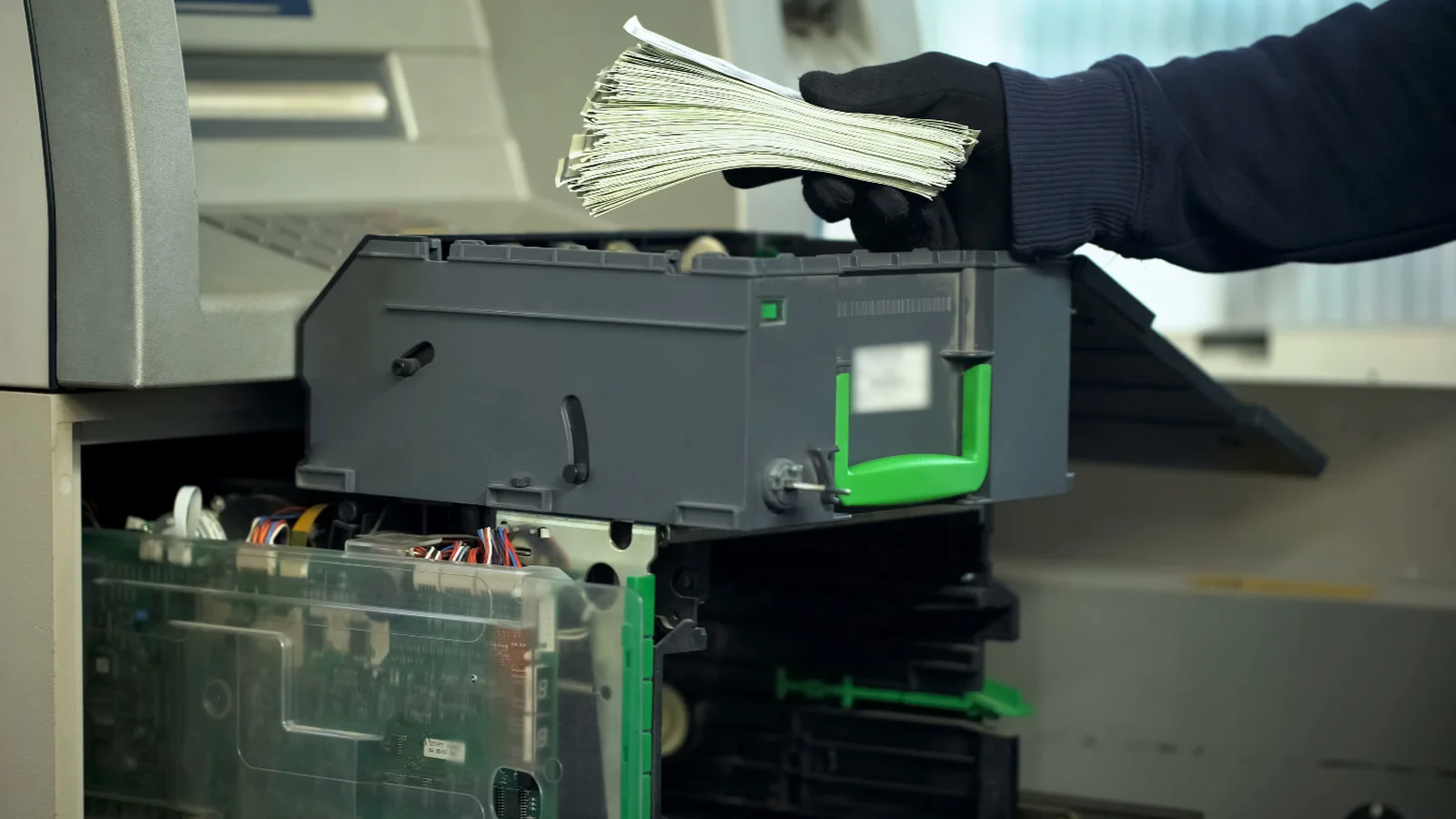
In order to provide insights into preventing past, present and future threats on ATMs, ATM Marketplace hosted a webinar with Diebold Nixdorf with insights from law enforcement and ATM experts.
May 8, 2026 by Bradley Cooper — Editor, Connect Media
 ChatGPT
 Grok
Grok Perplexity
 Claude
ATM security isn't a one-and-done thing. It requires constant vigilance and updates in order to match new criminal techniques or older ones that make a big impact. In recent years, jackpotting has taken the ATM world by storm. First appearing on the scene in Mexico in 2013, it is now one of the biggest forms of ATM theft, causing at least $33 million in losses in 2025.
However, one of the biggest threats is coming in the future: quantum computing. It could break through traditional security techniques such as public-key cryptography. How can ATM operators and financial institutions prepare for this future?
In order to provide insights into preventing past, present and future threats, ATM Marketplace hosted a webinar with Diebold Nixdorf with insights from law enforcement and ATM experts. Bradley Cooper, editor of ATM Marketplace, moderated the panel with the following panelists:
- Gregory Naranjo, ASAIC of Investigations, Miami Cyber Fraud Task Force, US Secret Service.
- Jodi Neiding, VP of Global Banking Hardware Solutions, Diebold Nixdorf.
- Christian Beine, director of Product and Solutions Security, Diebold Nixdorf.
During the presentation, the panelists discussed some of the key challenges of ATM security, including:
- Evolution of attack vectors.
- Increasingly organized ATM attacks.
- Compliance challenges.
They also analyzed how jackpotting is changing. Previously, criminals would connect a USB device directly into the ATM by drilling through the fascia. In these attacks, criminals had to be at the ATM. Now, criminals use remote attacks, which can boot up fake images and take control of the Trusted Platform Module. They typically use one of six main types of malware that interact with the XFS interface or vendor-specific hardware.
In the future, quantum computing can target cryptography, which ATMs use "for authentication, secure communication and transaction legitimacy to protect sensitive financial operations," Neiding said during the webinar.
"Quantum computing could break public-key cryptography, such as RSA and ECC. FIs should plan for the transition to quantum-resistant algorithms to address future computing risks."
In order to prepare for these attacks, the presenters recommended utilizing hardware and software that can support both modular cryptography and multiple algorithms, alongside end-to-end cash authentication.
Listen to the webinar in full for free by clicking here.
About Bradley Cooper

Bradley Cooper is an experienced editor for Connect Media. He has written across a wide range of beats, ranging from food to digital signage to banking, and is the current editor of ATM Marketplace and Food Truck Operator. His background is in information technology, advertising, and writing. When he’s not crafting a story, you can find him going for a run or spending time with his wife and three sons.
Included In This Story

Diebold Nixdorf
As a global technology leader and innovative services provider, Diebold Nixdorf delivers the solutions that enable financial institutions to improve efficiencies, protect assets and better serve consumers.
Related Media
SecurityPresented ByDiebold Nixdorf
Subscribe
Get the latest news and resources from ATM Marketplace.