Branch Transformation
US ATMs celebrate 57th birthday: What's next?
The first ATM in the U.S. was deployed 57 years ago. What's the future look like for ATMs in the U.S.?
September 14, 2026 by Bradley Cooper — Editor, Connect Media
 ChatGPT
 Grok
Grok Perplexity
 Claude
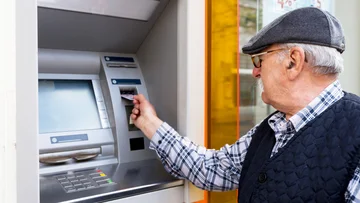
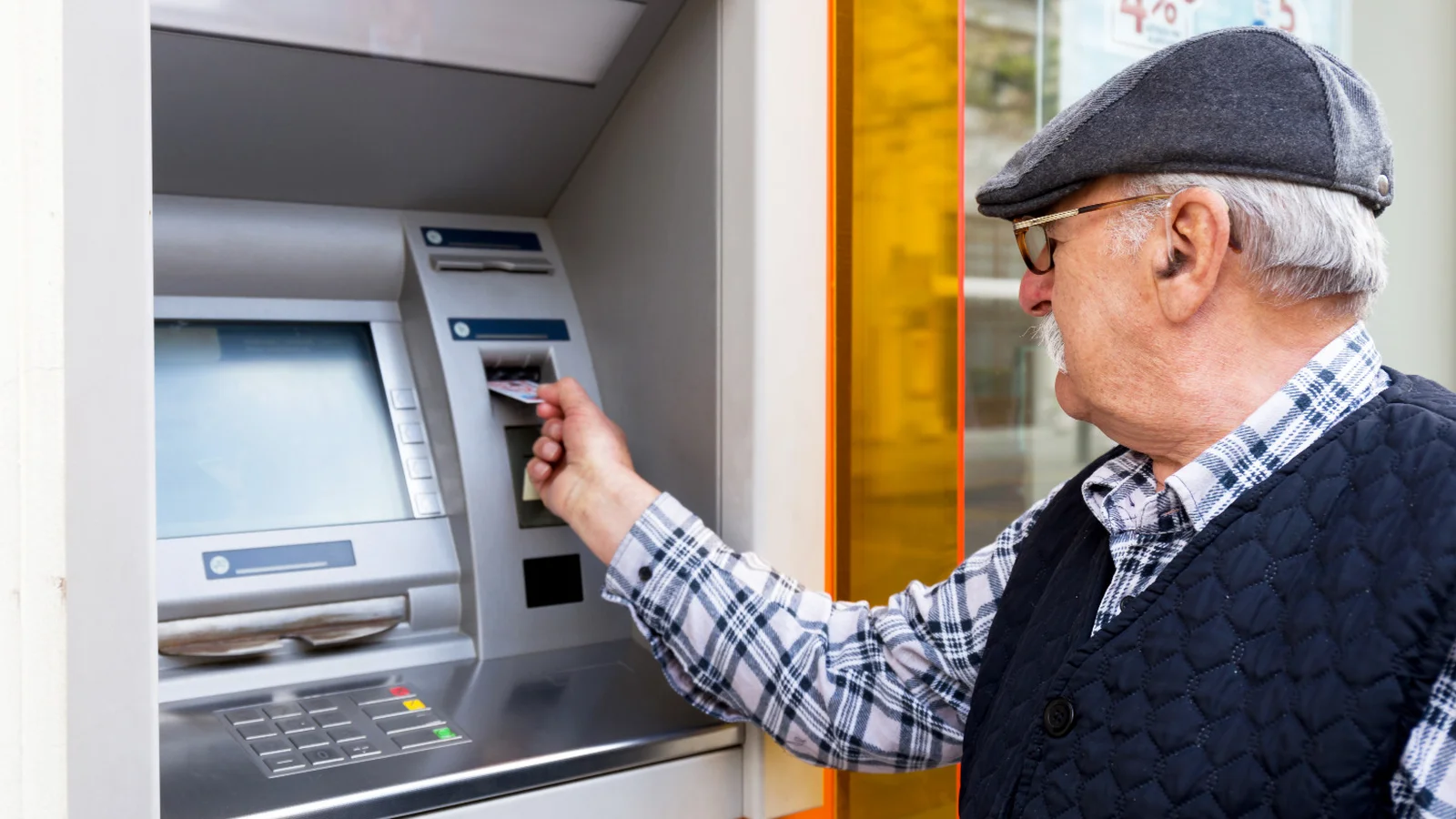
The ATM is reaching several milestones. Earlier in September 2026, the U.S. ATM turned 57. It was first deployed at Chemical Bank by the company Docutel on Sept. 2, 1969.
This ATM enabled withdrawals for customers with bank accounts using a magstripe card reader. This was the first magstripe card reader ATM in circulation. However, it wasn't the first ATM. That honor went to an ATM deployed in 1967 at a Barclays Bank branch in the U.K. With this machine, customers had to purchase carbon-18-impregnated vouchers from a teller to use at the machine to get cash.
Next year, the U.K. ATM will celebrate its 60th birthday, but the U.S. ATM's anniversary is worth a pause, celebration, and thought about where the ATM has been in the U.S. and where it's headed.
To gain some perspective on those topics, ATM Marketplace reached out in an email interview to Lonnie Talbert, president of ATMIA and chief industry executive at ePayResources, and Bruce Renard, executive director at The National ATM Council.
Q: Looking back, what's been the biggest innovation(s) in ATMs over its history?
Talbert: The ATM was truly the first "self-service" financial tool to arrive and revolutionize the way people could access cash. This was by far the most innovative tool at the time. It has continued to evolve, with varying improvements like contactless, ATM phone transactions, and numerous other one-time items like stamps, tickets, etc. I see the future of the ATM and innovation continuing as customers will demand certain things.
Renard:The most important innovation, in my view, has been universal card access. Debit and credit cards work at ATMs for cash withdrawals virtually everywhere throughout the nation, regardless of where the card was issued or who operates the ATM. That universal interoperability has made access to cash seamless and convenient.
Q: What is its biggest challenge currently?
Talbert:I think continued cost increases, software enhancements and changes, getting Safe Access to Cash and Payment Choice legislation passed, and adoption of new technology can be slow and not easy. Also, security is a constant challenge for ATM owner-operators and Fis. Thus, making sure ATM criminal activity is considered a federal crime.
Renard: I see three major challenges facing the ATM industry today.
First is the risk of losing universal access as the industry moves toward cardless and contactless transactions. With a physical debit or credit card, consumers take for granted they can access cash at any ATM, anywhere in the U.S. That same interoperability does not yet exist when using a phone, digital wallet, or tap-to-access technology. If universal access is lost as consumers increasingly move to contactless transactions, it will mean fewer transactions for America's independent operators, less consumer choice,e and a less competitive ATM marketplace.
Second is the significant increase in fees being imposed by card issuers on transactions at independent ATMs in the U.S. In many cases, those fees have effectively doubled the cost of withdrawing cash without a corresponding cost justification. That puts independently operated ATMs at a competitive disadvantage compared with bank- and credit union-owned ATMs.
Third is the emergence of cashless businesses. When businesses stop accepting cash, they also reduce the need for consumers to access cash, directly affecting independent ATM operators and the locations they serve. Consumers should continue to have the ability to use U.S. currency as a payment option. If a business operates in the U.S. and sells goods or services directly to the public, I believe it should be required to accept U.S. currency rather than excluding consumers who choose, or need, to pay with cash.
Q: What can the industry do to help?
Talbert: Collaboratively work together and support new initiatives, innovative opportunities and contact your federal legislators about Safe Access to Cash today and tell them to support it and help it pass. Our industry is super important and the more we work together the better.
Renard: Independent ATM deployers, vendors and others who depend on a healthy independent ATM industry need to get involved and support the advocacy efforts already underway. These issues will not be solved unless we come together as an industry to advocate for independent ATM operators and educate policymakers about the important role we play in providing convenient access to cash.
That means supporting the trade associations and advocacy initiatives representing independent ATM deployers, participating in industry visits to Washington, D.C., and building relationships with elected officials at home. Get to know the people who represent you and make sure they hear directly about how these issues affect your business and your customers.
Most importantly, participate. Support industry advocacy efforts, respond when there is a call to action, and make your voice heard. The more ATM deployers engage, the stronger and more effective the industry's voice becomes.
Q: What is one thing that most excites you about the ATM's future?
Talbert: The real estate/locations the ATM occupies is some of the most valuable self-service space available. Owner-operators who take advantage of this space, when they have a customer's undivided attention for at least 1 minute plus, will continue to be very successful. The highest and best use of the ATM, supporting the customers' self-service needs along with adapting to the evolving physical cash and digital ecosystem, will thrive in the long term.
About Bradley Cooper

Bradley Cooper is an experienced editor for Connect Media. He has written across a wide range of beats, ranging from food to digital signage to banking, and is the current editor of ATM Marketplace and Food Truck Operator. His background is in information technology, advertising, and writing. When he’s not crafting a story, you can find him going for a run or spending time with his wife and three sons.
Included In This Story

ATM Industry Association (ATMIA)
ATMIA is the leading non-profit representing the global ATM industry, serving thousands of members across 500 companies, including financial institutions, deployers, manufacturers, and service providers. As a division of, ePayResources, our mission is to promote ATM growth and usage, protect industry interests.
Related Media
SecurityPresented ByDiebold Nixdorf
Subscribe
Get the latest news and resources from ATM Marketplace.