Security
Editor's column: Bitcoin ATM's big branding problem
In this series, editor Bradley Cooper shares his own insights into aspects of the industry, beginning with bitcoin ATM's big branding problem.
November 25, 2026 by Bradley Cooper — Editor, Connect Media
 ChatGPT
 Grok
 Perplexity
 Claude
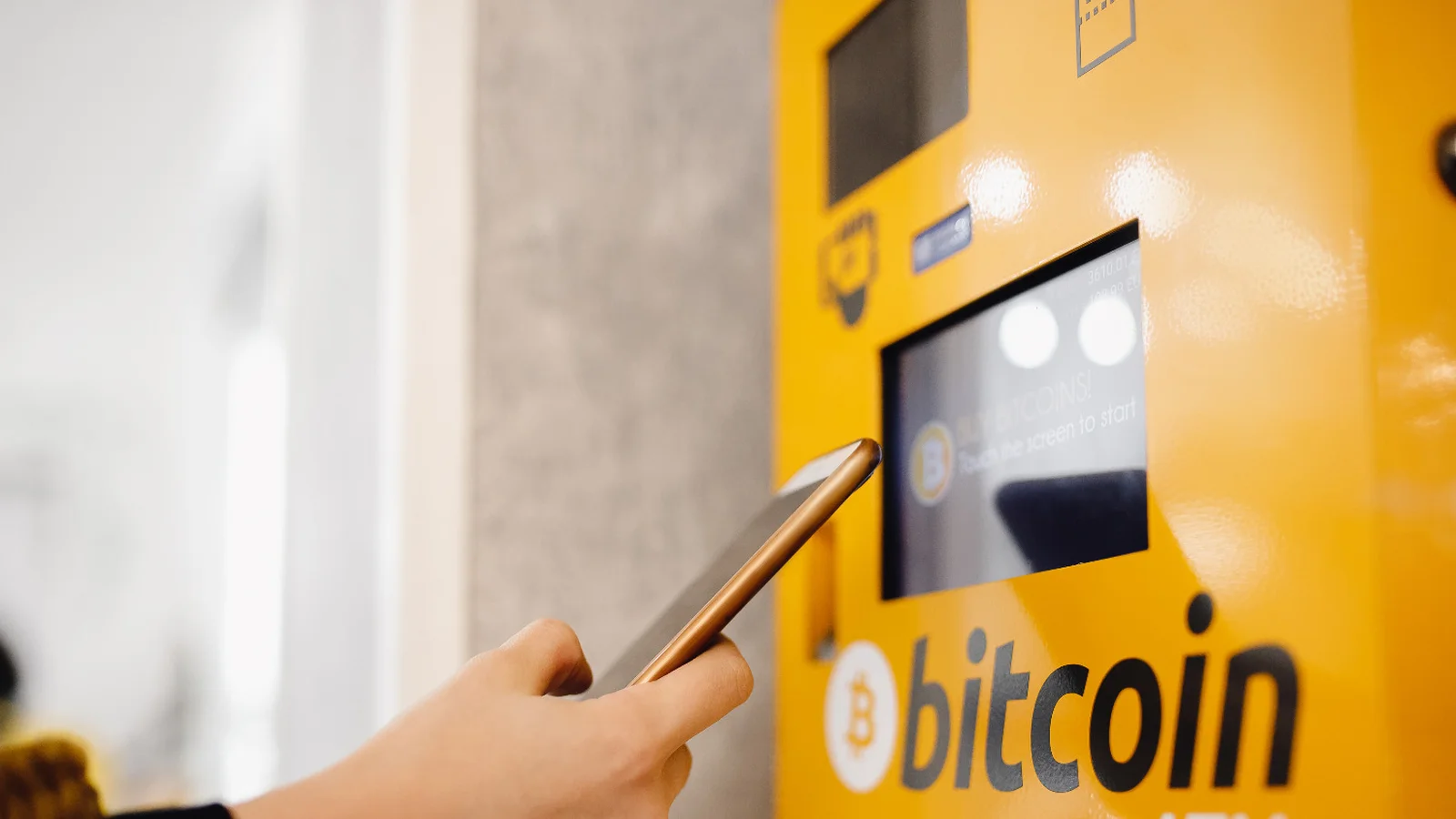
What's the first phrase that comes to mind when you think of bitcoin ATMs? If the first phrase is "scammers' paradise," you can pretty accurately determine why bitcoin ATMs have faced bans at the state and local level. Whether this is a deserved reputation or not(in many ways, I think it isn't earned) is beside the point. The presumption is still there for many people, and that presumption is wrecking the brand equity of not just any individual vendor but the bitcoin ATM space as a whole.
What's in a brand anyway?
Back when I was in college as an advertising major, I took a few classes on brands, namely how they are built, what sustains them, and how one can measure brand equity.
For those unfamiliar, brand equity is essentially the value of the brand itself, consisting of everything from its image to the presumed quality of its products and services. It's as close as one can get to putting a dollar amount on the brand itself.
In order to maintain a brand, one not only needs to establish strong values and marketing, but there also needs to be crisis management in place to keep the brand from gaining bad associations.
That unfortunately has already occurred with bitcoin ATMs.
The negative association
There is math to back up the negative association, as bitcoin ATM scams have accounted for hundreds of millions of dollars in reported losses. This number is only rising as scams become more sophisticated, utilizing AI to trick victims into depositing their life savings.
For many people, the fact that bitcoin ATMs are associated with scams is enough to view them as a nuisance. The industry could obviously reply that gift cards are an even bigger driver of scams, but they don't have the same connotation. But there's a crucial reason why gift cards don't get the bad press, and it's due to bitcoin itself.
Bitcoin's bad reputation
Cryptocurrency has also had its fair share of bad headlines over the decades, from hacks of exchanges (such as Binance's historic $6.3 billion loss) to acting as tools for drug trafficking and money laundering.
Primarily, there is still a large section of the population that views cryptocurrency with suspicion, seeing it as a tool of political extremism, scammers, or crime. It is very easy to carry this image over to bitcoin ATMs, which sell crypto for cash, and are so often used by criminals.
Furthermore, it is easy to understand the purpose of gift cards. It's a medium through which a friend, or family member can let someone choose their own favorite products from their favorite store. With cryptocurrency and crypto ATMs in particular, it's less clear to the public, as many do not understand the blockchain, the immutable character of cryptocurrency transactions, or whether or not cryptocurrency is a scam itself.
It's about the response
The bitcoin ATM industry has had various responses to this branding crisis. On one level, some have emphasized their anti-scam screens while also putting in place other measures to prevent scams, such as recognizing risky behavior and stopping the transaction in process.
Others have spent time in court fighting law enforcement for opening up machines to return cash to alleged victims. This action, while certainly understandable, does do harm to their brand.
The image, whether fair or not, of bitcoin ATM operators is that they either do not care about scams, or worse, they benefit directly from them due to the sheer volume of cash that comes in from scams.
Fixing the brand
In order to fix a brand, you don't just need to disprove the negative associations; you need to build new ones. Smart crypto ATM operators have an opportunity to do this in a variety of ways, ranging from:
- Putting in place visible and measurably effective anti-fraud techniques.
- Giving back to their communities through charity.
- Being upfront about fines.
- Providing real value for those interested in cryptocurrency.
In addition, bitcoin ATM operators can expand their machines beyond just crypto to other self-service tools, such as dynamic currency conversion, informational kiosks, traditional ATM services, and more.
As for right now, bitcoin ATM operators will have to weather the storm of regulations and continue to work towards a smarter, better industry, one that is defined by a strong brand image, one of providing cryptocurrency for cash to everyone, especially those who don't want to deal with an online exchange.
About Bradley Cooper

Bradley Cooper is an experienced editor for Connect Media. He has written across a wide range of beats, ranging from food to digital signage to banking, and is the current editor of ATM Marketplace and Food Truck Operator. His background is in information technology, advertising, and writing. When he’s not crafting a story, you can find him going for a run or spending time with his wife and three sons.
Related Media
SecurityPresented ByDiebold Nixdorf
Subscribe
Get the latest news and resources from ATM Marketplace.