Security
Can Binance recover from the biggest crypto hack?
Binance responds to the biggest hack in banking history.
November 18, 2026 by Bradley Cooper — Editor, Connect Media
 ChatGPT
 Grok
 Perplexity
 Claude
This is part one of a two-part series examining the Binance hack.
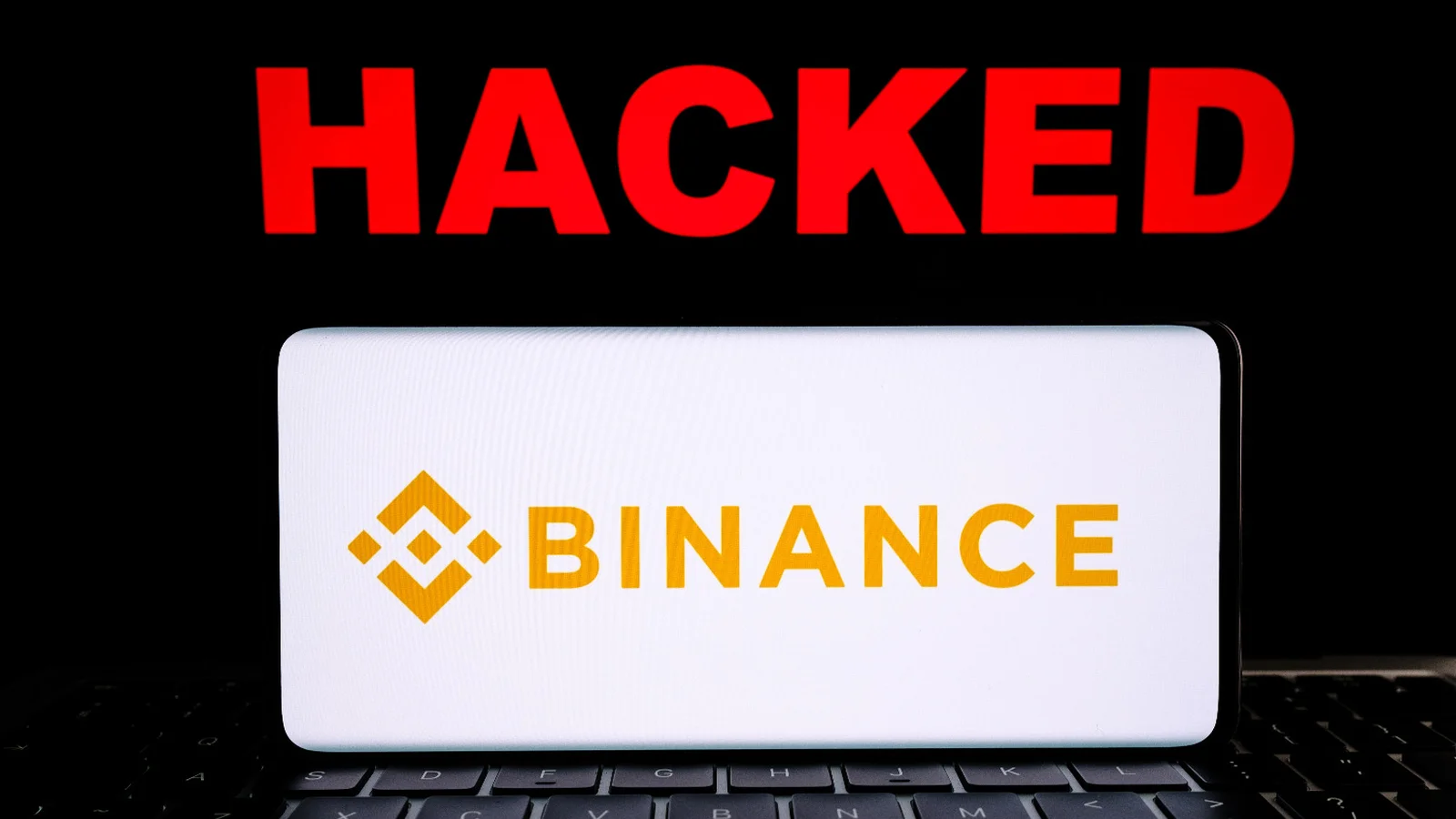
In late October 2026, Binance broke records, although not for a good reason. Hackers were able to steal $6.3 billion in cryptocurrency. This is the biggest cryptocurrency hack in history, surpassing the previous record of $1.5 billion in Bybit.
Both of these hacks have one factor in common: North Korea.
North Korean actors
On Feb. 26, 2025, the FBI released a statement that North Korea was responsible for hacking Bybit on Feb. 21, 2025. They operated under the group TraderTraitor, which steals and launders funds into fiat currency.
During this incident, North Korean actors interrupted a transaction. When Ethereum was moved from a cold storage wallet to a warm wallet, the attackers altered the transaction data without the company noticing. From there, the attackers gained direct control of the cold wallet and emptied out $1.5 billion worth of Ethereum.
In the case of the Binance hack, it was also done through North Korean state actors. Blockchain intelligence firm TRM said the attackers moved currency from Binance wallets across 10 blockchains.
It is uncertain exactly what caused the attack, but it is known that the hackers gained access to an engineer's laptop. Much like the previous attack, they targeted a warm wallet, which is a temporary holding wallet as funds move from cold storage to customers. They abused a multi-signature protocol to get around verification. The entire theft took close to 20 minutes.
What is Binance doing about the theft?
ATM Marketplace reached out to Binance to gain some clarity on how they are handling this theft. The cryptocurrency exchange's primary goal was to protect losses for their customers and freeze the stolen funds.
A spokesperson said in an email statement: "Binance has already reserved over $6.34B of company funds to cover this incident. $5B of these funds are already held in the exact token assets that were impacted. We are completing the purchase of the remaining amount by buying token assets through market channels and OTC channels. We are doing this to match the format of the remaining token assets and address any asset shortfalls. This step can take longer because some tokens may have low liquidity and OTC settlement also takes time. We will share more progress as soon as we can.
These figures do not include frozen or protected assets, which remain subject to ongoing recovery and verification. Currently, $3bn has been frozen, with thanks to our industry partners."
These efforts occurred in a series of stages, as the cryptocurrency exchange restored its total reserves until Nov 1st, when it was able to bring its capacity back to 100%.
"Binance is preparing to resume phase one of withdrawals on 2026-11-01 between 06:00 and 09:00 (UTC). Restoring access to user funds is a priority, and we are taking a controlled approach to do so safely. We will continue to monitor closely as services return in phases. User funds remain safe, and deposit services remain open and are not affected by the incident.
"All BTC, ETH, USDT, BNB, SOL, USDC, XRP, USD1, RLUSD, and ZEC balances are fully backed 100%. Users can verify our proof of reserves snapshot on the PoR website. Binance has now covered approximately 95% of the impacted amount, up from 90% in our prior update. The outstanding 5% are tokens outside the top ten listed above, and are less liquid in the market and take a longer time to source at the required scale. We continue purchasing the remaining affected assets through market and OTC channels," the spokesperson said.
"Our commitment remains unchanged: Binance will bear the financial impact of the stolen funds. These losses will not be passed on to users. Resuming withdrawals is a major milestone, but our work continues. We will continue strengthening our safeguards, completing the recovery process, and providing updates as progress continues."
Putting this figure into perspective
This theft is the biggest bank heist in history, more than double the amount stolen during the Iraqi Tax Heist of 2022, where fraudulent checks drained $2.5 billion from Iraq's state coffers.
This theft raises key questions not just about the security of cryptocurrency, but also about how banks can handle these sophisticated bad actors from North Korea and other countries. In part two, we will speak with experts in more detail about what this hack means.
About Bradley Cooper

Bradley Cooper is an experienced editor for Connect Media. He has written across a wide range of beats, ranging from food to digital signage to banking, and is the current editor of ATM Marketplace and Food Truck Operator. His background is in information technology, advertising, and writing. When he’s not crafting a story, you can find him going for a run or spending time with his wife and three sons.
Related Media
SecurityPresented ByDiebold Nixdorf
Subscribe
Get the latest news and resources from ATM Marketplace.
Recent Posts