Security
Are bitcoin ATMs to blame for scams?
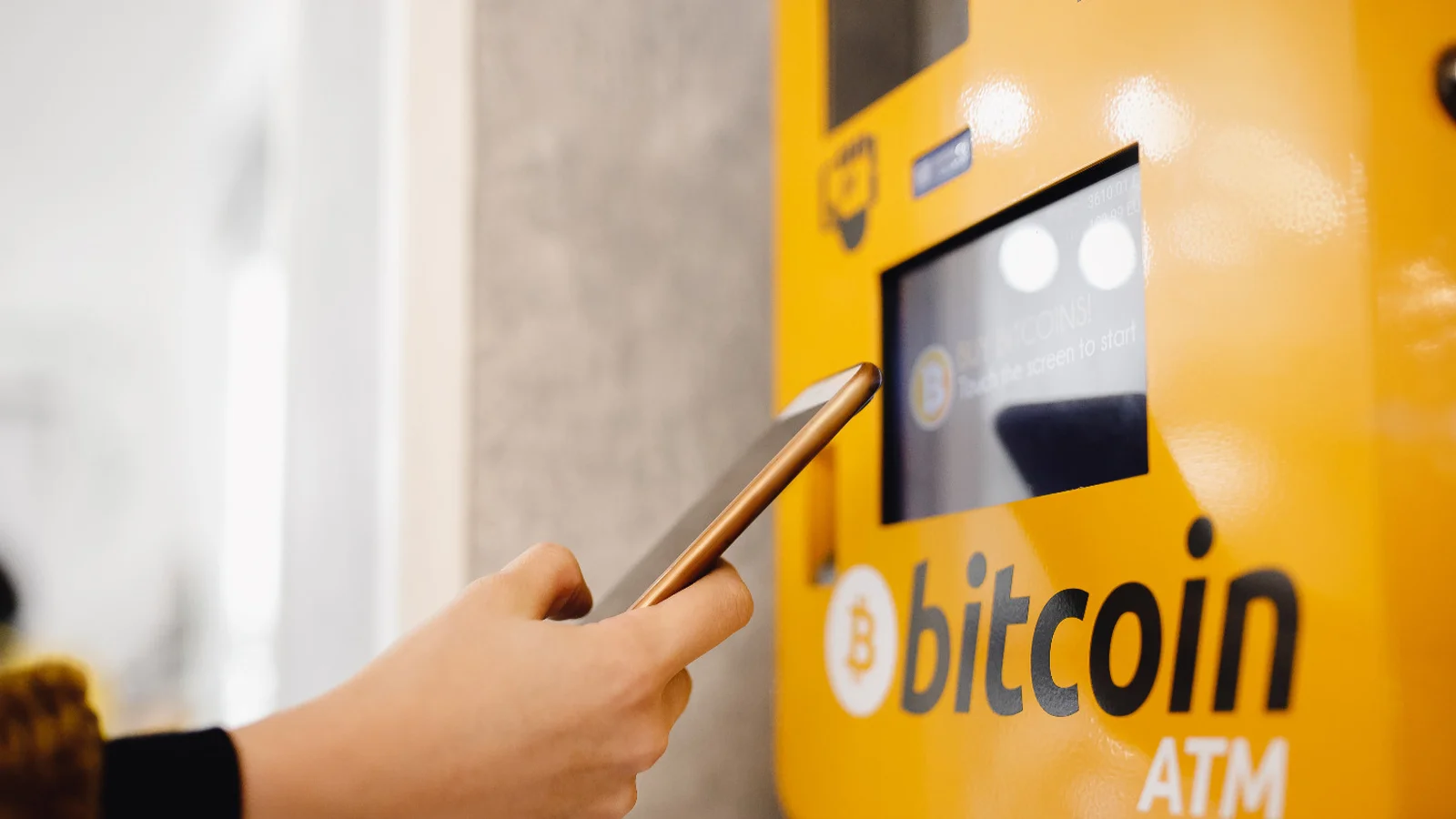
Bitcoin ATMs are the boogie man for many states, regulatory agencies and senior citizen advocacy groups. But is this reputation earned?
July 10, 2026 by Bradley Cooper — Editor, Connect Media
 ChatGPT
 Grok
Grok Perplexity
 Claude
A few years back, I wrote a series reviewing bitcoin ATMs. I noted in that series that these machines offered a convenient way to purchase bitcoin and other cryptocurrencies while out and about. I noted in the series that each ATM provided scam warnings on the screen, stating never to send bitcoin to wallets you don't control, and that these machines were especially beneficial to those with concerns over the security of online cryptocurrency exchanges, especially with headlines of security breaches. Nowadays, it would be a lot more difficult for me to write that series, as crypto ATMs have been banned in my home state of Indiana.
Indiana was the first state to ban crypto ATMs outright (with several others joining them or planning a ban afterwards). If I wanted to use a crypto ATM, I would have to go the neighboring states of Illinois, Ohio or Kentucky.
Why were they banned in Indiana and other states?
The reasoning behind these bans is pretty straight forward: crypto ATMs are utilized by fraudsters. Although numbers vary by state, the FBI has reported $333 million in losses from crypto ATM scams in 2025 alone, with the real number likely being much higher due to unreported scams.
These scammers will call a victim and pretend to be a loved one, law enforcement or a government agency. At times they use spoofing technology to steal law enforcement numbers or use AI voice technology to copy the voice of someone the victim knows. From there, they convince the victim that there is an emergency, whether a family emergency or legal trouble, and tell them they must deposit large sums of cash into the crypto ATM to a wallet controlled by the scammers.
Once these transactions are complete, the victim cannot easily reclaim their money. Crypto transactions are designed to be irreversible, and that includes the fees charged by the crypto ATM operator.
Some cryptocurrency advocates make the argument that this recent push to ban crypto ATMs is part of a more general effort to restrict cryptocurrency by governments that don't want decentralized currency competing with fiat currency.
My opinion is these bans reflect political pressures. These scams tend to target the elderly, and state governments are incentivized to take action as baby boomers make up a large percentage of the electorate and are more likely than Gen Z or Millennials or Gen Z to be registered voters. Data from Berkeleystates that nearly 80% of boomers are registered voters.
Is the crypto ATM operator responsible?
In one sense, the answer is obviously no. Crypto ATM operators aren't responsible for someone falling victim to a scam, especially when most machines already put in place scam warnings before the individual can complete the transaction.
Others have raised the contention that crypto ATM operators do profit from these scams, however, with some estimates putting it as their highest transactions in many localities and states. It also hasn't helped their reputation that they have gotten into legal disputes with local law enforcement that remove cash from the machine to repay victims, such as one case in Texas.Some experts have argued that these crypto ATM operators would not even be in business without these illicit transactions.
Common sense regulations
One of the most common sense response to all of these issues is by putting in place standard protections to prevent or mitigate fraud. In many localities, this simply means putting daily transaction limits for new users so that they don't lose large funds of cash at once, or establishing railguards to detect potential scams and stop the transactions or have someone contact the potential victim.
Another common regulatory response is to require operators to issue refunds to scam victims within a certain time frame. A recently proposed House bill aims to take this issue to the federal level by establishing federal guidelines for daily transaction limits and anti fraud measures.
Other organizations such as the AARP argue these measures don't go far enough, and that crypto ATMs cause such harm to seniors that it is best to ban them outright.
The gift card counterpoint
One counterpoint to this trend is that scammers will always find other methods to get funds, especially gift cards.
Data from the Federal Trade Commission shows that in 2024 there were 41,000 reports of gift card or prepaid card fraud, according to a blog by NCSL. These translate to $212 million in losses. In these incidents, scammers convince victims to purchase large quantities of gift cards and then send them the redemption code.
Despite these issues, there has been no comparable legal cry to ban gift cards, although several states have passed laws requiring merchants to put up anti fraud notices, such as Delaware, New Jersey, New York and Rhode Island.
Should crypto ATMs be blamed?
Ultimately, I don't believe crypto ATMs should be blamed outright for scams. They are, at the end of the day, providing a legitimate service: access to cryptocurrency through cash payments. They are extending payment options to those who prefer to pay in cash: even for digital assets. This also opens up the crypto market to the underbanked and financially underserved.
The issue at hand I believe is a more PR related one. Cryptocurrency has also struggled with an image of being used by criminals and scammers. This extends to crypto ATMs. In addition, many don't believe that the operators took enough actions up front to prevent or combat scams: through stronger fraud warnings, refunds, etc.
Despite these large setbacks, the crypto ATM industry is still seeking new markets, with Bitcoin Bancorp making major installation pushes in the American Southwest, and Coinhub expanded into Japan, with plans to install 3,000 ATMs in the country. Time will tell if crypto ATM operators in the states will be able to turn around this PR problem and establish strong operations in states with less restrictive regulations.
About Bradley Cooper

Bradley Cooper is an experienced editor for Connect Media. He has written across a wide range of beats, ranging from food to digital signage to banking, and is the current editor of ATM Marketplace and Food Truck Operator. His background is in information technology, advertising, and writing. When he’s not crafting a story, you can find him going for a run or spending time with his wife and three sons.
Related Media
SecurityPresented ByDiebold Nixdorf
Featured Vendor

Simple | Secure | Service | Solutions. From ATM sales, support, and service to enterprise security solutions with Next Generation technology. Think CSG First. We Make it Happen!
Subscribe
Get the latest news and resources from ATM Marketplace.