Payments
Can ATMs detect counterfeit bills?
Modern ATMs can detect counterfeit bills, but they do have limitations that operators and customers need to be aware of.
November 11, 2025 | Muhammed Fatir, marketing assistant, ATM Link
 ChatGPT
 Grok
Grok Perplexity
 Claude
Modern ATMs (and cash automation systems) incorporate multiple validation methods to flag suspicious banknotes. While not perfect, these systems make it very difficult for most fake bills to pass through.
Here are the primary technologies used:
Optical/image scanning and pattern matching
When a note is inserted, the ATM's sensing eye/validator captures a high-resolution image. It compares that image's dimensions, line patterns, brightness, contrast, and microprint with templates for real notes of that currency and denomination. If mismatches appear, the bill is flagged.
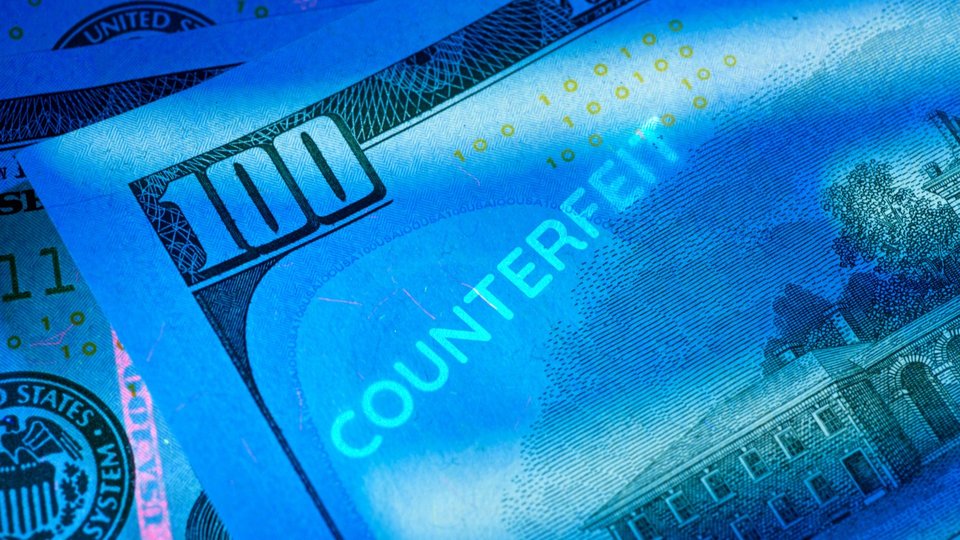
Ultraviolet (UV) detection
Many genuine banknotes incorporate UV-sensitive security features that glow under ultraviolet light. The ATM's UV sensor checks whether those features exist and match expectations.
Infrared (IR) detection
Infrared sensors test how parts of the bill absorb or reflect infrared light. Because counterfeit inks and substrates often behave differently under IR, this provides another layer of checking.
Magnetic ink / magnetic sensing
Some banknotes include magnetic ink in certain areas. The ATM's magnetic detectors verify that magnetic signatures align with expected patterns. Counterfeit bills may lack the proper magnetic response.
Size, thickness and physical measurements
Genuine banknotes have strict tolerances in physical dimensions and paper thickness. Validators measure size, thickness and sometimes stiffness, rejecting bills that deviate too much.
Watermarks, threads, holograms and security strips
Many currencies include embedded watermarks, metallic threads, holographic strips or 3D ribbon features. ATMs can verify some of these via sensors or image scanning.
Are ATMs perfect for detecting counterfeits?
While ATMs are sophisticated, they are not infallible. As an ATM operator, you should know where gaps may occur.
Machine errors or calibration issues
If sensors drift, calibration is off or optical parts get dirty, the ATM might misclassify genuine bills as fake, or worse, let counterfeit ones pass as genuine, so watch out for these errors.
Counterfeit notes entering via cash recycling
Some ATMs accept deposits and recycle cash for future withdrawals. If a counterfeit note gets deposited and not detected, it might later get dispensed as genuine cash.
Advanced, high-quality counterfeits
Very sophisticated fakes optimized to mimic magnetic, UV, IR and physical properties may bypass detection, especially if detection features are weak or outdated.
Deferred human review
In many systems, questionable bills are flagged and held for human review (e.g., bank staff) rather than instantly rejected. This means some counterfeits may slip through initially.
Older ATM models lacking full sensors
Older or lower-end ATMs may lack full UV / IR / magnetic scanning capabilities. They are more vulnerable to counterfeits.
What happens if a fake bill id dispensed?
Even though rare, receiving counterfeit money from an ATM can happen. Here's what usually follows and what you should do:
- The ATM may detect it and retain the bill instead of handing it to the user.
- The bank or machine operator is often notified so they can inspect the suspect note.
- If a user reports receiving a counterfeit note, the bank might reimburse them after verification.
- Authorities (police, central bank, or secret service) may get involved to investigate the source.
From the user side:
- Save all transaction details (time, location, receipt).
- Report immediately to your bank or to the authorities.
- Do not try to pass the bill on or destroy it (it may be evidence).
Note: banks generally treat counterfeit banknotes as worthless and may not compensate if the note is proven fake and not their fault, according to NerdWallet.
Why it matters to ATM business owners
As an ATM operator, understanding the detection of fake bills is crucial for the following reasons
- Risk management and liability: If your machine dispenses a counterfeit, customers can blame you or your processing partner.
- Maintaining trust and reputation: Users expect secure ATM processing and confidence in cash dispensed.
- Operational integrity and audits: Machines with weak detection increase your exposure to fraud and losses.
- Choosing the right equipment: You'll prefer ATMs with advanced validators, better transaction technology, and regular calibration.
Transparent fee justification: For ATM operators charging for processing or maintenance, showing you use secure, high-tech machines helps justify your pricing.
Best practices and recommendations
- Use modern ATM models with full-spectrum detection (UV, IR, magnetic, image).
- Maintain frequent calibration, cleaning of sensors, and software updates.
- In cash-recycling machines, aggressively isolate and test deposited bills before reuse.
- Keep logs, images, and records for suspect bills for audits or investigations.
- Train staff to handle counterfeit reports and liaise with authorities.
- Monitor cash supply chains, ensure the cash you load into machines is from verified sources.
- When selecting an ATM processing solution, emphasize secure ATM processing and lower operational risk.
Conclusion
So, can ATMs detect fake bills? Yes, modern machines use multiple detection systems (optical, UV, IR, magnetic, and physical measurement) to flag counterfeit attempts. But no system is perfect. Risk remains, especially from advanced counterfeits, recycling machines, or older ATM units.
For ATM business owners, the key is: choose robust hardware, maintain it, and integrate these features into your security protocols. That way, your machines serve customers with confidence, and you maintain one of the best ATM processing solutions in your network.
FAQs
Q1. Can ATMs detect fake bills automatically?
Yes. Modern ATMs use advanced sensors, optical scanners, and transaction technology to automatically detect counterfeit bills before accepting or dispensing cash.
Q2. What happens if an ATM dispenses a fake bill?
If a counterfeit bill slips through, report it immediately to your bank or ATM operator. Most machines log transaction details, enabling secure ATM processing review and investigation.
Q3. How do ATMs detect counterfeit money?
ATMs use multiple systems, UV, IR, magnetic ink sensors and image scanning, to validate currency. These technologies help detect forgeries with high accuracy.
Q4. Can old ATMs detect fake money?
Older ATMs often lack full-spectrum sensors and may miss sophisticated fakes. Upgrading to machines with modern transaction technology is crucial for accurate detection.
Q5. How can ATM business owners prevent counterfeit risks?
ATM business owners should use modern ATMs with built-in counterfeit detection, ensure regular maintenance, and partner with a secure ATM processing provider for enhanced protection.
Included In This Story

ATM Link, Inc.
YOUR MAJOR RESOURCE FOR ATM PROCESSING, PRODUCTS, AND SERVICES
For over 26 years, ATM Link, Inc. has been helping retailers maximize profits with hassle-free ATM solutions. From transaction processing to full-service programs, quality ATMs, and expert support, we’ve got you covered nationwide. We prioritize customer satisfaction, security, and transparency, ensuring smooth operations and increased earnings
Related Media
SecurityPresented ByDiebold Nixdorf
SoftwarePresented ByKAL ATM Software GmbH
Vault Cash / Cash ManagementPresented ByCash Connect
Featured Vendor

Auriga is a top international software solutions company, specialized in end-to-end systems that integrate the various delivery channels used in retail and internet banking.
Subscribe
Get the latest news and resources from ATM Marketplace.