Software
ATM Total Cost of Ownership: How Integrated Monitoring, Cash Management and Maintenance Reduce Operating Costs
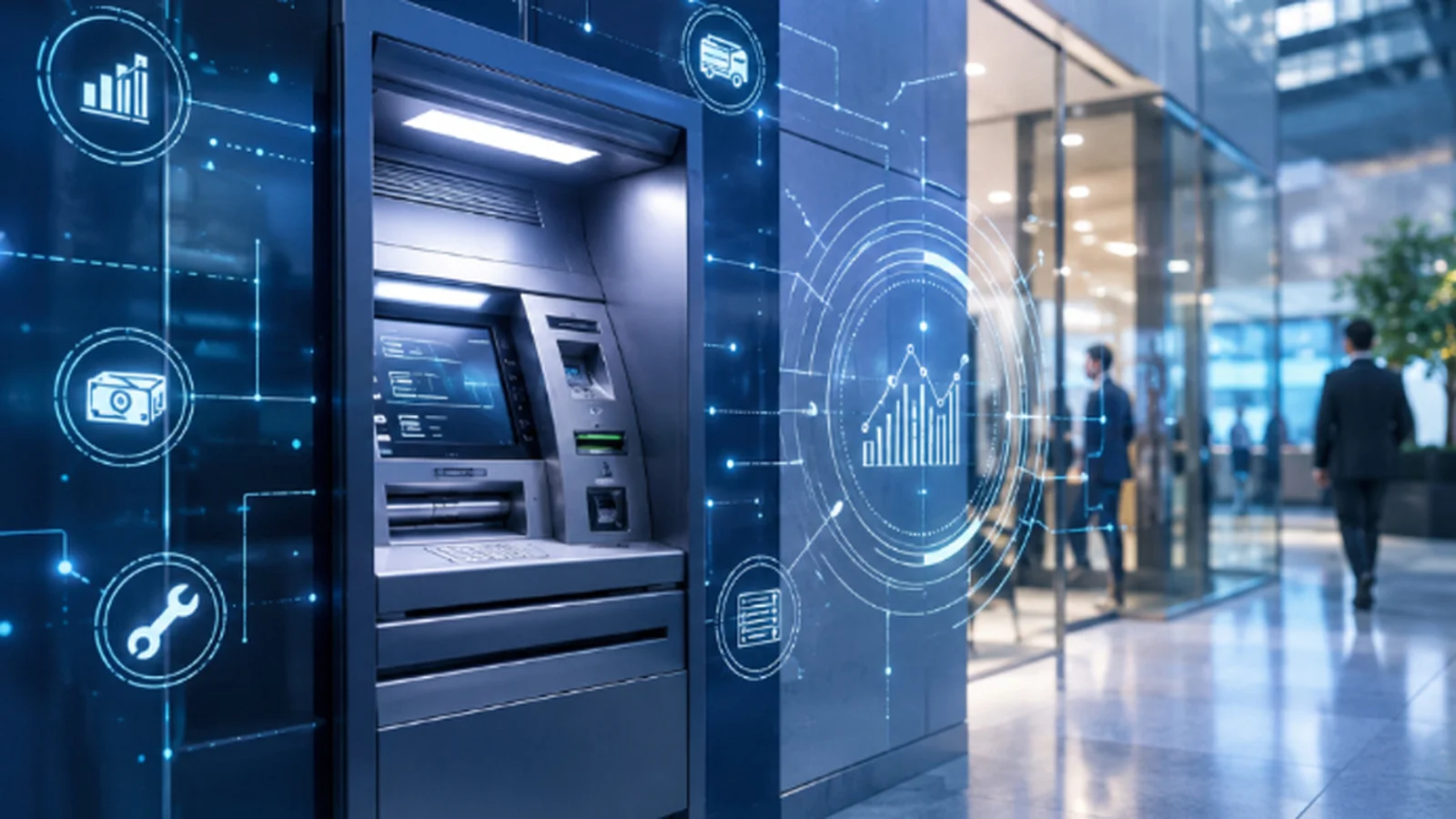
Intelligent ATM Supply Chain Management connects monitoring, cash management, reconciliation, maintenance and analytics to reduce ATM Total Cost of Ownership, improve availability and resilience, optimise field service and cash logistics, and enable faster, data-driven decisions across multivendor ATM estates.
August 26, 2026
 ChatGPT
 Grok
Grok Perplexity
 Claude
The future of ATM management is moving beyond reactive maintenance towards intelligent supply chain management. By integrating monitoring, cash management, reconciliation, maintenance and analytics, organisations can reduce TCO (Total Cost of Ownership), improve resilience and make better operational decisions across the ATM estate.
Key Takeaways
- Fragmented ATM data creates hidden operational costs.
- Intelligent ATM Supply Chain Management connects operational and financial processes.
- Predictive analytics can reduce downtime and improve field-service efficiency.
- Integrated cash forecasting can optimise replenishment and logistics.
- Connected data provides the foundation for more resilient ATM operations.
ATM networks are becoming increasingly complex, with banks and Independent ATM Deployers (IADs) managing distributed fleets, multifunction devices, cash recycling, biometric authentication and growing customer expectations. Yet many ATM operating models still rely on disconnected systems and manual processes.
What is Intelligent ATM Supply Chain Management?
Intelligent ATM Supply Chain Management connects ATM fleet management, monitoring, cash management, reconciliation, maintenance and service orchestration into a single, data-driven operating model.
Instead of managing each function separately, organisations can connect operational, financial and customer data to create a single view of the ATM estate. This enables faster decisions, predictive maintenance, dynamic cash forecasting, automated reconciliation and greater operational visibility.
The principle is simple. Isolated data creates cost and integrated data creates operational intelligence.
How does ATM fragmentation increase Total Cost of Ownership?
ATM TCO encompasses the direct and indirect costs associated with deploying and operating an ATM throughout its lifecycle. These can include hardware, maintenance, cash logistics, reconciliation, field service, compliance and downtime.
A significant source of unnecessary TCO is operational fragmentation. Many ATM operators use separate systems for monitoring, cash management, reconciliation and maintenance, with spreadsheets often filling reporting gaps.
Although each system generates valuable information, limited integration creates duplicated effort, manual intervention and slower decision-making.
For example, a monitoring platform may identify the immediate terminal condition, but combining device telemetry with cash, transaction and service data gives operators richer context to determine the most appropriate intervention.
Similarly, delayed reconciliation can create manual investigation, while historical cash-replenishment schedules can result in unnecessary logistics or cash shortages during predictable demand peaks.
How can intelligent ATM operations reduce costs?
An integrated operating model reduces ATM costs by connecting technical, financial and operational data so that each event can inform the next decision.
Predictive analytics can identify patterns associated with emerging issues, enabling teams to intervene before they become customer-impacting failures.
When connected to maintenance and field-service scheduling, this allows engineers to arrive with better diagnostic information and the appropriate parts, reducing repeat visits and downtime.
The same principle applies to cash management. Real-time operational data can improve forecasting and replenishment decisions, while recurring incidents can inform future network planning.
This is particularly valuable in multivendor ATM environments, where banks and IADs may manage different manufacturers, software platforms and service providers.
What are the benefits for banks and IADs?
For banks, Intelligent ATM Supply Chain Management can deliver:
- Higher ATM availability and improved customer experience
- Greater operational resilience
- Better visibility across multivendor estates
- Lower operating costs
- Faster, data-driven decision-making
For IADs, the benefits include reduced emergency callouts, optimised cash logistics, improved SLA performance, less manual reconciliation and the ability to scale operations without proportionally increasing costs.
Frequently Asked Questions
What is Intelligent ATM Supply Chain Management?
It is a data-driven operating model that connects ATM monitoring, fleet management, cash management, reconciliation, maintenance and service orchestration.
How does it reduce ATM TCO?
It reduces manual processes, unnecessary field visits, downtime and inefficient cash logistics while enabling faster operational decisions.
How does predictive analytics improve ATM operations?
It identifies emerging equipment or transaction issues before they affect customers, enabling proactive maintenance and higher availability.
Can it support multivendor ATM environments?
Yes. An integrated operating model provides consistent operational visibility across different ATM manufacturers, software platforms and service providers.
Included In This Story

Auriga
Auriga is a top international software solutions company, specialized in end-to-end systems that integrate the various delivery channels used in retail and internet banking.
Related Media
SoftwarePresented ByKAL ATM Software GmbH
Vault Cash / Cash ManagementPresented ByCash Connect
Subscribe
Get the latest news and resources from ATM Marketplace.