Payments
Fighting back against payments fraud
Payments fraud is commonplace. What can be done against it?
October 7, 2026 by Bradley Cooper — Editor, Connect Media
 ChatGPT
 Grok
Grok Perplexity
 Claude
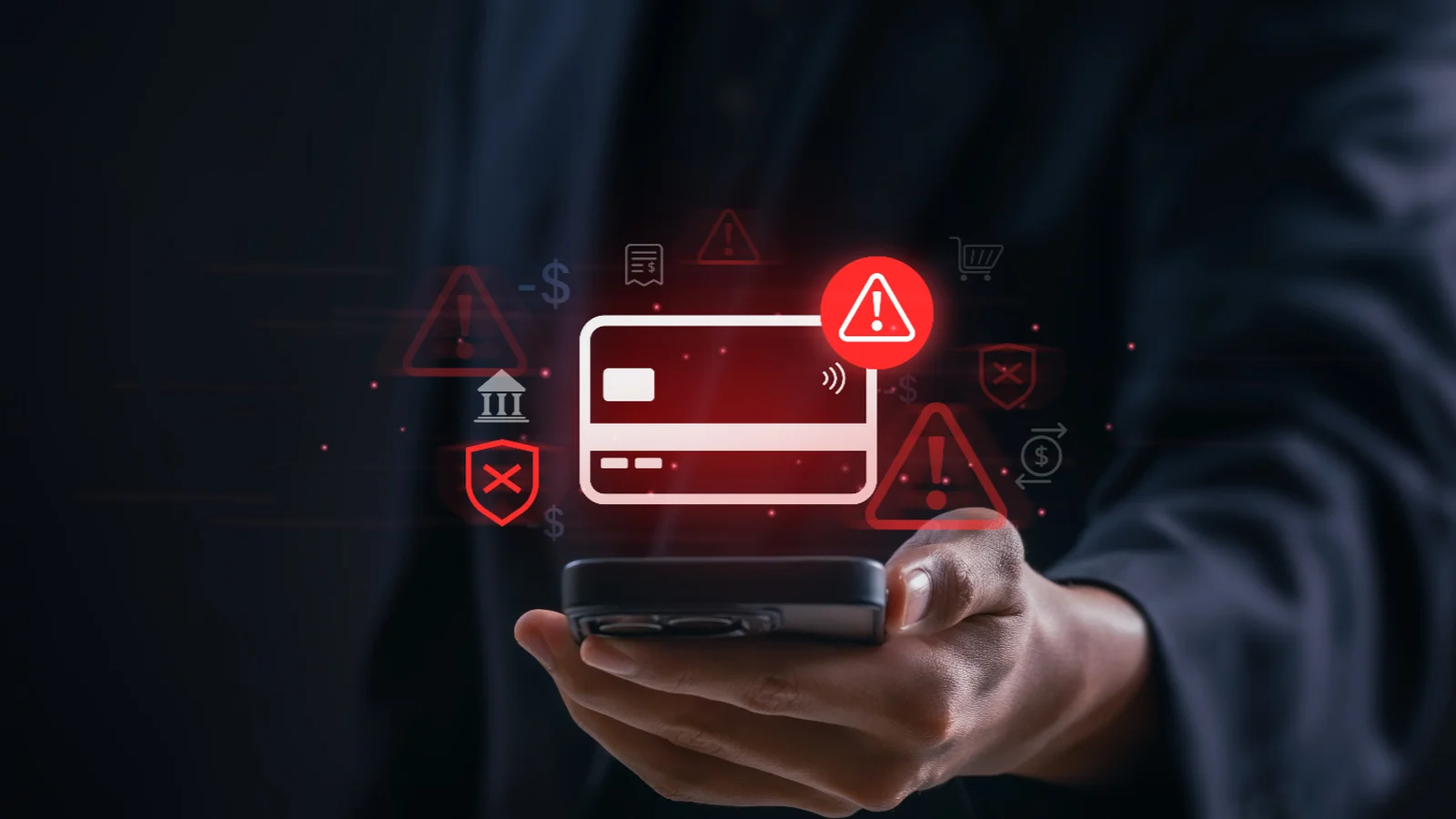
Payments fraud isn't some rare event; it's commonplace. A report by Financial Professionals found that 76% of all organizations had experienced some form of fraudulent payment. Of these, check fraud was the most common method, making up 58% of all reported fraudulent activities.
Businesses and banks also can fall prey to these fraudulent activities, especially when it comes to vendors. A fraudster can impersonate a technology vendor such as a payments provider, ATM service company, or AI vendor and facilitate a payment for a service. With the rise of AI, they can make invoices look more legitimate than ever before.
In a blog post from Mastercard, it notes that companies, and especially those in the financial industry, need countermeasures in place.
"In 2026, the organizations that succeed in defending their customers will be those that align leadership, fuse cyber and fraud intelligence, and maximize signal detection and correlation across fragmented data sources," said Ilya Volovik, Mastercard's director of Payment Fraud Intelligence. "That's how they can disrupt attacks before financial losses occur."
To gain more insights into payments fraud and how financial institutions can prevent it, ATM Marketplace reached out to Andy Thiss, SVP and GM at Eftsure. This payments company offers a payment assurance leisure for enterprise finance, and it recently acquired Relish, which tackles fraud via duplicate payments, misdirected ACH transfers and other issues.
Q: What are some of the biggest causes of vendor fraud?
Thiss:Vendor fraud almost always exploits trust. Attackers research how a business pays its vendors, impersonates people or companies the finance team already knows, then targets moments when scrutiny is lower. The biggest vulnerability is relying on information such as emailed bank detail changes without independently verifying it.
Q: What about invoice fraud?
Thiss: Invoice fraud works because everything matches. A compromised mailbox lets an attacker send a real-looking invoice inside a real conversation, referencing a genuine purchase order at a plausible amount. AI has reduced the expensive parts of that work (the research, the outreach, the targeting) from weeks to hours. Prompt injection is also a major concern now, where hidden instructions inside an invoice can be read by an AI agent as a legitimate override.
Q. What are some of the blind spots in modern payment systems?
Thiss: A major blind spot is assuming a check performed at onboarding is still valid when the payment is made. Vendor details change and accounts can be compromised. As payment processes become faster and more automated, controls need to verify the underlying payment information continuously, not rely on a single approval at the end.
Q. How does Eftsure address these issues?
Thiss:We provide an independent verification layer across the entire payment process. That means verifying payee identity and bank account details before money moves, re-verifying details when they change, continuously monitoring vendor information, and escalating various forms of scrutiny whenever automation flags anomalies.
Verification can look different for each payment, but the aim is always simple: give finance teams total confidence that they're paying the right account.
Q: How will the recent acquisition of Relish improve this service?
Thiss:Relish both deepens and extends our approach to payment integrity. We're strengthening "Right Payee" verification beyond businesses to individuals, employees and workers, while expanding into "Right Amount" through invoice intelligence. It gives finance teams greater confidence in both who they're paying and whether the payment itself is correct.
Q: Could you see any use cases for this in the ATM or banking self-service technology space?
Thiss: I won't comment on future use cases specifically but the underlying principle is relevant anywhere payments become more automated: don't assume the information entering a system is trustworthy. Independent verification of identity, account details and payment instructions could provide an additional control as financial services move toward faster, increasingly autonomous transactions.
About Bradley Cooper

Bradley Cooper is an experienced editor for Connect Media. He has written across a wide range of beats, ranging from food to digital signage to banking, and is the current editor of ATM Marketplace and Food Truck Operator. His background is in information technology, advertising, and writing. When he’s not crafting a story, you can find him going for a run or spending time with his wife and three sons.
Related Media
SecurityPresented ByDiebold Nixdorf
Featured Vendor

Simple | Secure | Service | Solutions. From ATM sales, support, and service to enterprise security solutions with Next Generation technology. Think CSG First. We Make it Happen!
Subscribe
Get the latest news and resources from ATM Marketplace.