Paragon Application Systems News & Media

How XFS fragmentation impacts ATM services
by Anamaria Burnete — Digital Marketing Specialist, Paragon Application Systems
XFS fragmentation is becoming a deployment and operational risk, especially for large North American ATM fleets running mixed hardware, multiple middleware…
read now
End-to-End ATM Testing: Ensuring Seamless Workflows
End-to-End ATM Testing: Ensuring Seamless Workflows
read now
Continuous Assurance: The Future of ATM Testing
Continuous Assurance: The Future of ATM Testing
read now
From Manual Testing to Automation: Bringing Your ATM Team Along On the Journey
From Manual Testing to Automation: Bringing Your ATM Team Along On the Journey
read now
Testing Your ATM Network Doesn’t Have to Be So Hard
Testing Your ATM Network Doesn’t Have to Be So Hard
read now
Comprehensive Testing as the Ultimate Trust Builder
Comprehensive Testing as the Ultimate Trust Builder
read now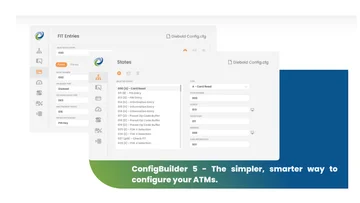
Managing Rapid Change in States-and-Screens ATMs
Windows modernization, security patch cadence, and operational change are introducing new risks—not at the XFS service layer, but in configurations themselves.
read now
How XFS Fragmentation Causes Real World Problems
XFS is an enabling technology that provides a client-server API for Windows-based ATM applications to work consistently with hardware components and…
read now
Tackling XFS Fragmentation in Advanced Function ATMs
Modern ATMs are no longer simple cash dispensers. Advanced Function ATMs now operate as software platforms at the edge, integrating cash recyclers, deposit…
read now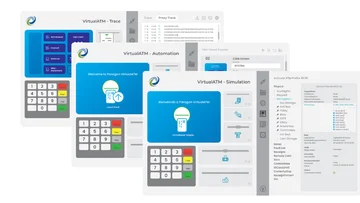
Why Advanced Function ATMs Need Continuous Testing
Windows is not just an operating system. It is a foundational dependency that influences timing, service behavior, device drivers, and middleware interaction.
read now
ATMIA 2026 Event Recap: Key Trends Shaping the Future of Self-Service Banking
ATMIA 2026 Event Recap: Key Trends Shaping the Future of Self-Service Banking
read now
Rethinking the Strategic Value of Payments Testing
Organizations often find that established testing processes cannot scale at the same pace as the systems they are intended to protect. This gap, and the…
read now
Payment Outages: An Industry Readiness Problem
Payment Outages: An Industry Readiness Problem
read now
From Bottlenecks to Breakthroughs: The Critical Role Testing Plays in Payments Modernization
From Bottlenecks to Breakthroughs: The Critical Role Testing Plays in Payments Modernization
read now
What 2026 Payments Predictions Reveal About the Growing Need for Smarter, Faster Testing
What 2026 Payments Predictions Reveal About the Growing Need for Smarter, Faster Testing
read now
Emerging Payment Trends in 2026: What Banks & Payment Providers Must Prepare For
Emerging Payment Trends in 2026: What Banks & Payment Providers Must Prepare For
read now
Rethinking the Strategic Value of Payments Testing
Rethinking the Strategic Value of Payments Testing
read now

Payments Update: Consumer Choice and Experience
Payments Update: Consumer Choice and Experience
read nowSubscribe
Get the latest news and resources from ATM Marketplace.