Security
ATMs scored a big legislative victory: What's next?
The Safe Access to Cash Act still has a few hurdles to overcome before it becomes law, and another proposed ATM law also needs more support.
October 28, 2026 by Bradley Cooper — Editor, Connect Media
 ChatGPT
 Grok
 Perplexity
 Claude
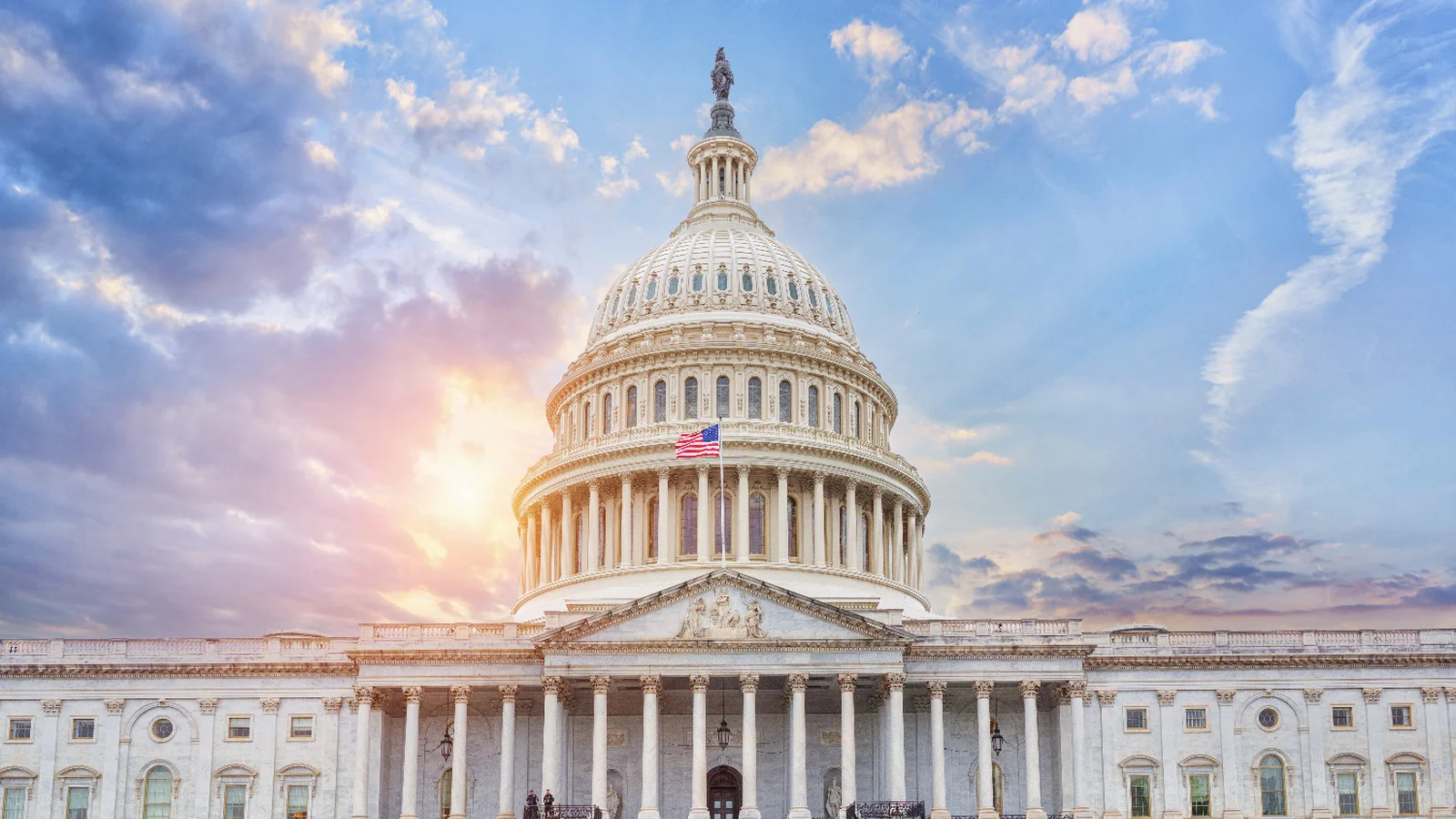
On Sept. 30, 2026, the ATM industry received one of its biggest legislative victories with the passage of theSafe Access to Cash Act in the Senate. After nearly five years of lobbying and meeting with representatives, now the act has passed a major threshold. This bill would not have been possible without the work of several advocacy organizations, including The National ATM Council.
"The National ATM Council's advocacy team developed and provided the initial draft of the Safe Access to Cash bill several years ago, engaging our Hill champions in the House to have the bill introduced on a bipartisan basis by Congressmen John Rose (R-TN) and Glenn Ivey (D-MD)," Bruce Renard, executive director of the National ATM Council, said in an email interview. "Our team has since worked to build consensus support for the measure on the House Judiciary Committee. We also worked diligently to get a companion bipartisan measure introduced in the Senate by Senator Ted Cruz (R-TX), Senator Ruben Gallego (R-AZ), and Senator Marsha Blackburn (R-TN)."
Some of its lobbying efforts include fly-in events, with its most recent fly-in involving more than 50 meetings with Judiciary Committee members in both the House and the Senate.
What's the bill about?
In essence, the bill aims to amend a bank robbery act: Chapter 103 of Title 18 of the United States Code by inserting the following text.
"Whoever, by force or violence, or by intimidation, takes, or attempts to take, any property or money or any other thing of value from any person using or servicing, or attempting to use or service, an ATM, or who extorts or attempts to obtain by extortion, any property or money or any other thing of value from any such person, where the offense is committed in direct and immediate connection with such use or service, or from any owner or operator of any ATM, while knowing that such person is engaged in transporting or delivering property to be loaded into such ATM, or from any person, knowing such person to be engaged in the transport or delivery of property to be loaded into such ATM, pursuant to a contract with, or employment by, such owner or operator, shall be fined under this title or imprisoned not more than 20 years, or both."
What this bill does is extend the same federal protections that banks get for bank robberies to ATMs located away from branches. This includes retail ATMs owned by independent operators, and bank ATMs at other locations. Part of the impetus for this bill was the murder of an ATM technician in January 2021, when Kenney Gertsley was shot and killed by an unknown assailant.
What's next for the bill?
Although the Safe Access to Cash Act passed through the Senate with bipartisan support, it is now headed to the House. It was received in the House on Oct. 5 and held at the desk.
However, the House of Representatives is currently out on recess until Nov. 9 to give representatives time to campaign for the midterm elections. The bill will need to be voted on in the House either at the end of that recess or with the 120th United States Congress, which will come in on Jan. 3, 2027, when all new and reelected representatives are brought in.
"The NAC lobbying team will continue working hard to have the House promptly take up and pass the Senate bill, once the House is back in Session following the midterm elections, and to secure the President's final approval," Renard said. "Congressmen Rose, Ivey and Fitzgerald are already engaged internally to garner additional House support for passage of the Senate bill, and we are hopeful this will come to fruition during the lame duck session, once the House returns after the midterms."
What other bill is the ATM industry advocating?
The other bill of importance to the ATM industry is the Payment Choice Act. It was last introduced on Feb. 7, 2025, by Representative John Rose of Tennessee, who also is a supporter of the Safe Access to Cash Act.
The summary from Congress.gov notes that this bill "requires retail businesses to accept cash as a form of payment for on-site sales of $500 or less and it prohibits them from charging cash-paying customers a higher price compared to customers not paying with cash. Businesses covered by this bill are those engaged in the business of selling or offering goods or services at retail to the public that accept in-person payments at a physical location."
Furthermore, if businesses are unable to meet this requirement, they must have a machine on site that can convert cash into prepaid cards, which may not charge any fees. This is similar to a law that was passed in New York in 2025, which was primarily passed to protect senior citizens, unbanked, and underbanked individuals who rely on cash.
This bill has been introduced in several forms since 2018. Since its introduction in 2025, it has steadily gained bipartisan sponsors, with the most recent ones being Democrat Rep. Nikema Williams of Georgia and Republican Rep. Maria Elvira Salazar of Florida
Although this bill is related to business requirements, it is based on the same logic as the Safe Access to Cash Act, of ensuring continual access to cash and cash payments for those who rely on it the most.
The bottom line
As the industry awaits the House's next move on the Safe Access to Cash Act, advocates remain focused on the broader mission: protecting cash accessibility and those who facilitate it. Together, these legislative measures represent a critical push to secure both the physical infrastructure and the economic necessity of cash across the nation.
About Bradley Cooper

Bradley Cooper is an experienced editor for Connect Media. He has written across a wide range of beats, ranging from food to digital signage to banking, and is the current editor of ATM Marketplace and Food Truck Operator. His background is in information technology, advertising, and writing. When he’s not crafting a story, you can find him going for a run or spending time with his wife and three sons.
Related Media
SecurityPresented ByDiebold Nixdorf
Subscribe
Get the latest news and resources from ATM Marketplace.